
Publications by Stefan Priebsch
As a consultant and coach, Stefan Priebsch shares his knowledge through books, articles, and research. He is the author of several specialist books and around 70 articles in technical magazines.
Current Work
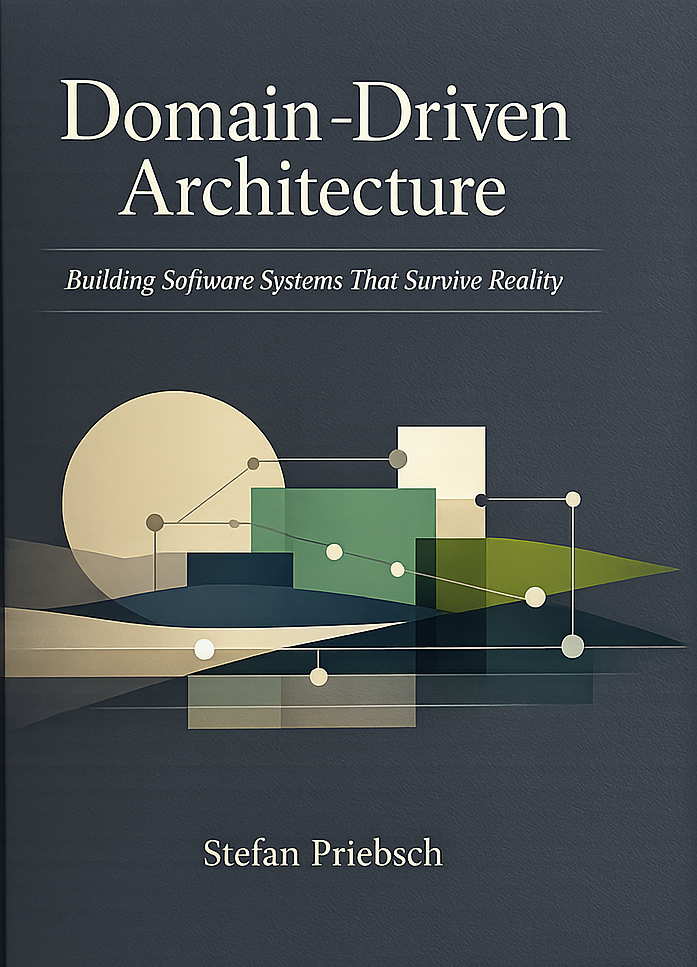
Domain-Driven Architecture
Stefan is currently working on a new book that turns decades of architectural intuition into a clear, teachable, and economically grounded process. The book explores starting architecture where it actually belongs: with the domain, business intent, and constraints.
Learn more →Books

PHP 7 Explained (ebook)
thePHP.cc Press
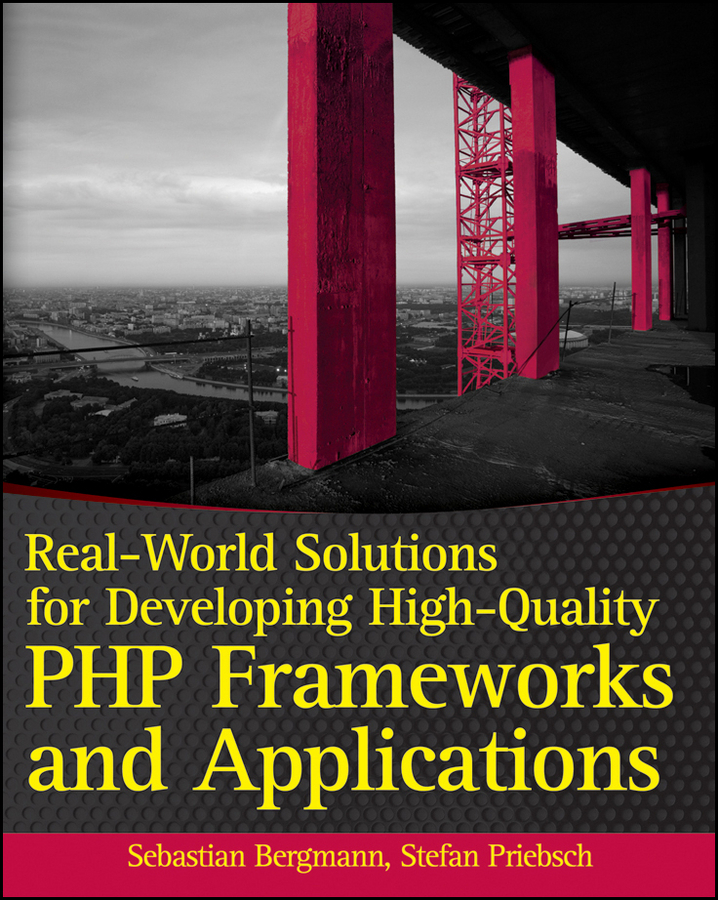
PHP Frameworks and Applications
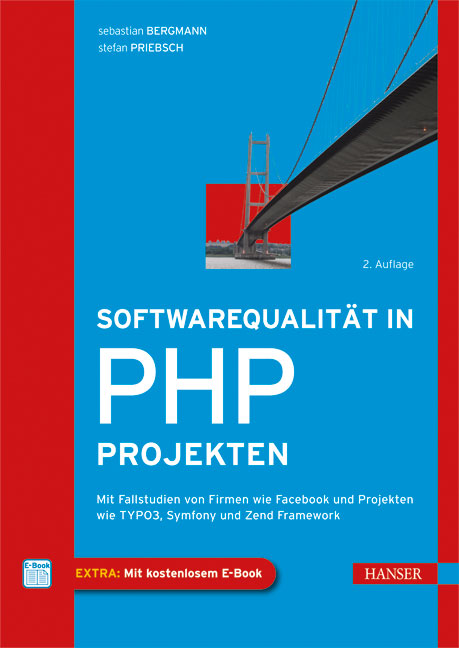
Softwarequalität in PHP-Projekten

PHP 5.3 schnell+kompakt
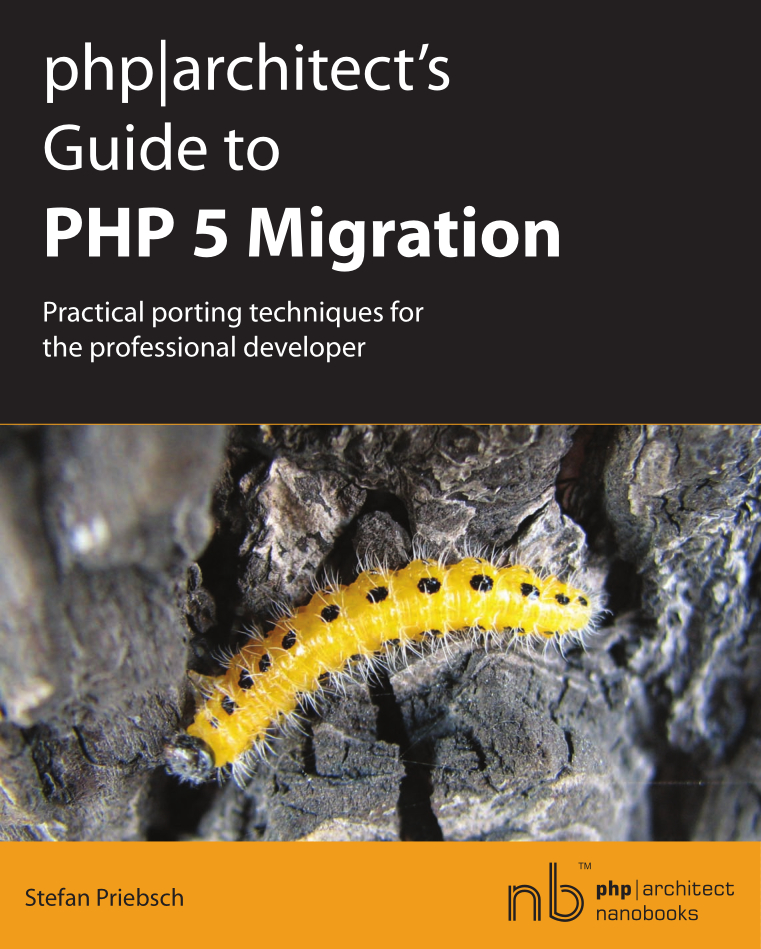
php|architect's Guide to PHP 5 Migration
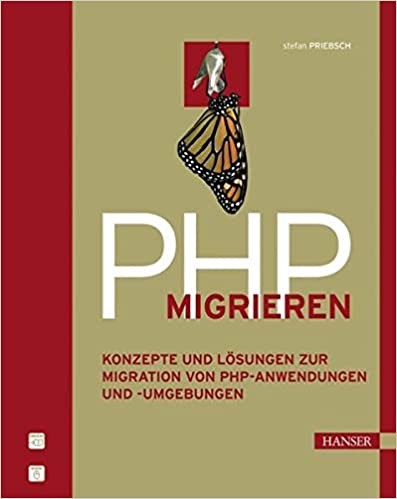
PHP migrieren
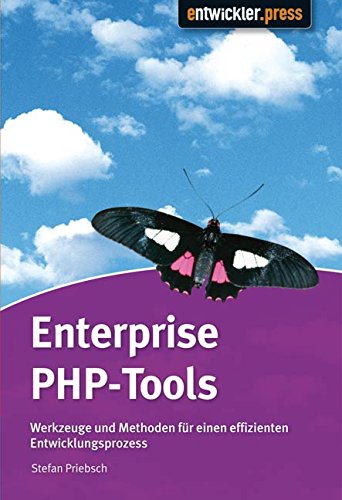
Enterprise PHP-Tools
Selected Articles
Stefan has published around 70 articles in various technical magazines, plus a variety of online articles and blog posts, for example:
Why Europe needs
Digital Sovereignty
The Most Difficult Upgrade in a Developer's Career
Keynotes and Conference Presentations
Stefan has delivered keynotes and conference presentations at over 100 technology conferences on three continents.
Patents
Stefan Priebsch is the inventor of two patents related to software technology, Elektronische Marktplattform ("electronic marketplace") and Verfahren zur Wahrung der Vertraulichkeit von Anwenderdaten bei deren Speicherung und Bearbeitung auf einem zentralen Rechner eines Betreibers ("Method for maintaining the confidentiality of user data when storing and processing it on an operator's central computer").
Master's Thesis
Stefan wrote his Master's thesis at the Max Planck Institute for Plasma Physics in 1996. Working in a field that is now known as machine learning and artificial intelligence, Stefan built neural networks to detect anomalies in nuclear fusion experiments.